The Bobblehead Effect: How the Illusion of Agreement Can Kill Innovation
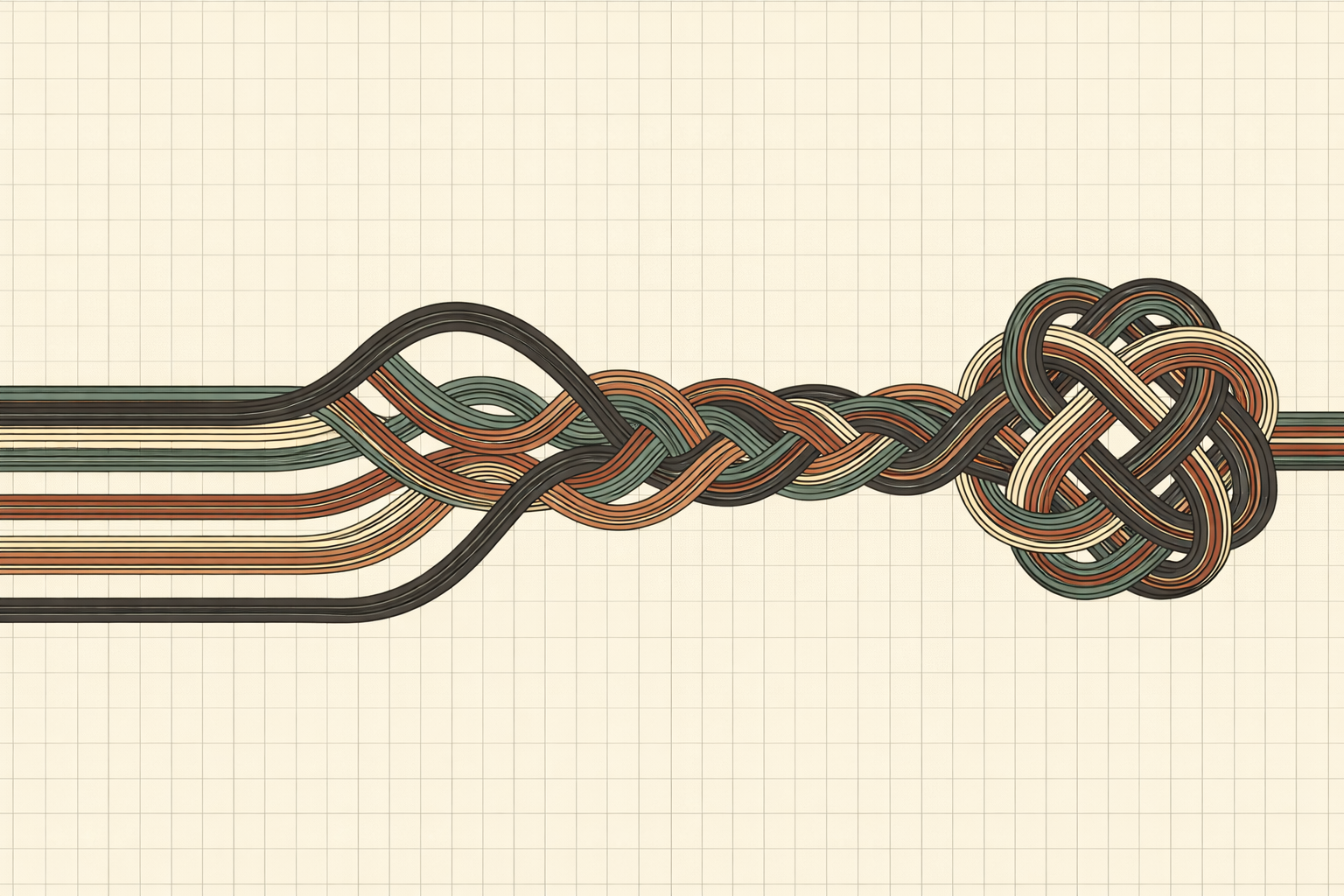
We’ve all been in that meeting: The strategy is presented. The team leader looks around the room and asks if everyone is on board. And then it happens… The Bobblehead Effect. Todd Reily explains how to avoid it.
This is the second part of a six-part series on how the innovation process is evolving in the age of AI.
We have all been in that meeting: The strategy is presented. The team leader looks around the room and asks if everyone is on board.

And then it happens… The Bobblehead Effect.
Everyone nods. Everyone agrees. The meeting ends on time. It feels like alignment. It feels like momentum.
But immediate consensus on a difficult problem is rarely a sign of a good creative team. It is a sign of a team that is hiding something.
Compliance vs. Conviction
There is a massive difference between commitment and belief.
Commitment is what you get when people want to keep moving forward. They will do the tasks. They will hit the deadlines. But if they don’t actually believe in the destination, the work will be hollow. You can feel it in the product.
The most dangerous dynamic in innovation isn’t open disagreement. It is the silent skeptic. It is the person who nods “yes” in the room, but thinks “this will never work” on the drive home.
So how do you fix this? You don’t try to convince them. You stop asking them to agree.
The Belief Audit
We’ve developed a technique that acts a bit like therapy for product teams. It is designed to stop the polite nodding and put the messy truth on the table.
Before you even think about coding or designing anything, your team needs to nail down the core beliefs underlying the product.
It starts with Belief Statements.
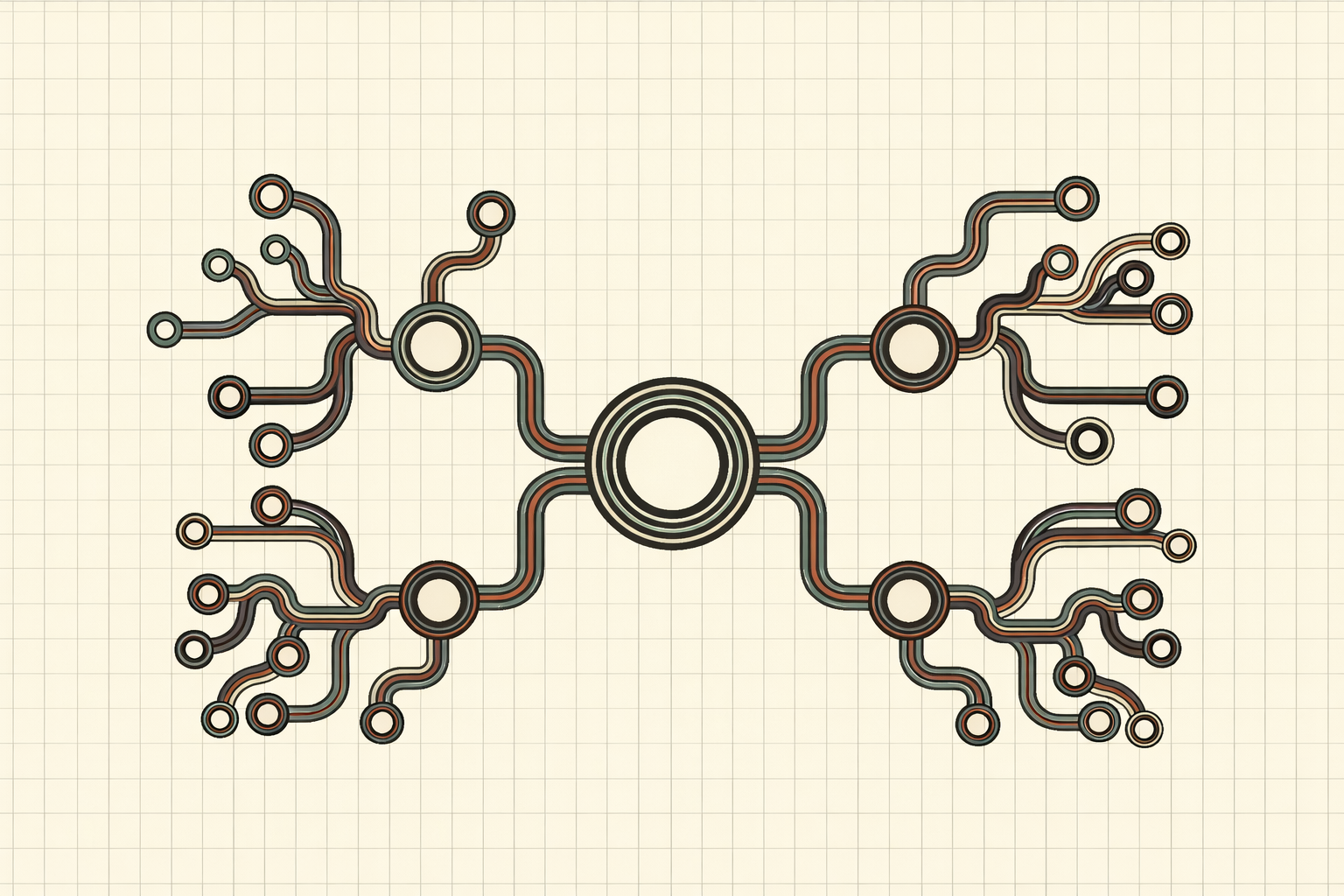
Before you even think about coding or designing anything, your team needs to nail down the core beliefs underlying the product. So, get everyone on the team to contribute their strong convictions. Aim for a list of around eight to twelve beliefs. That way, you make sure you’re getting a wide variety of viewpoints, even if some of them aren’t completely unanimous across the team.
Let’s say you’re a startup making a desktop productivity robot. A few beliefs might be:
- People will favor an embodied AI character over one housed in a computer or speaker.
- The companionship offered by the robot is vital to its ability to boost productivity.
- A dedicated AI device on the desktop will contribute to greater personal productivity.
- People will value the robot’s ability to anticipate needs and act proactively.
These aren’t facts, of course. They are bets, or “leap of faith assumptions,” to use the lean startup term. But before you go running an experiment, you first need to know how everyone feels about them.
Visualize the Doubt
Once the belief statements are posted, we don’t discuss them. Not yet.
First, we vote. Ask everyone to rate their confidence in each statement on a 1-to-5 scale, from “this is definitely not true” to “this is basically a fact.”
This part is uncomfortable. It requires vulnerability. It requires the junior engineer to admit they think the founder’s vision might not be true.
But when you step back and look at the results, you get a heatmap of your team’s brain.

The Argument is the Work
Sometimes, everyone votes a 5. Great. You have genuine alignment. Move on.
But sometimes, the results are scattered — a bunch of 2’s, a couple 4’s, and only one confident 5. In a traditional meeting, someone with a loud voice might get others thinking, “OK, I’m not sure about that, but they’re usually right and everyone else must agree.” But it often turns out that opinions are actually pretty spread out. Catching that difference early is gold.
Suddenly, you aren’t arguing about opinions. You are designing experiments.
That gap between a 2 and a 5 isn’t a problem to be swept under the rug. It is your to-do list.
I ask the person who voted low: “What would you need to see to turn that 2 into a 4?”
Suddenly, you aren’t arguing about opinions. You are designing experiments. The skeptic isn’t a blocker anymore. They are influencing the learning agenda. They are helping you see the risks you were ignoring.
Embracing the Mess
Innovation rarely begins with everyone holding hands in perfect agreement. It’s much messier than that. It’s about surfacing uncertainty and conflicting views — and then figuring out how to close the gap. If your team agrees on everything, you probably aren’t trying to do anything new.
So stop looking for consensus. Look for the friction. That is where the real work happens.
(Read the next piece in this series, AI Gives You B- Ideas. Here’s the Way to Earn an A.)
Todd Reily is a design and innovation leader who helps teams manage uncertainty to architect breakthrough product experiences. He spent the last decade shaping the future of sound at Bose, and developing one of the world’s first social robots at Jibo. His work has been recognized by two Time Magazine “Best Inventions” citations, and over 25 design patents.